
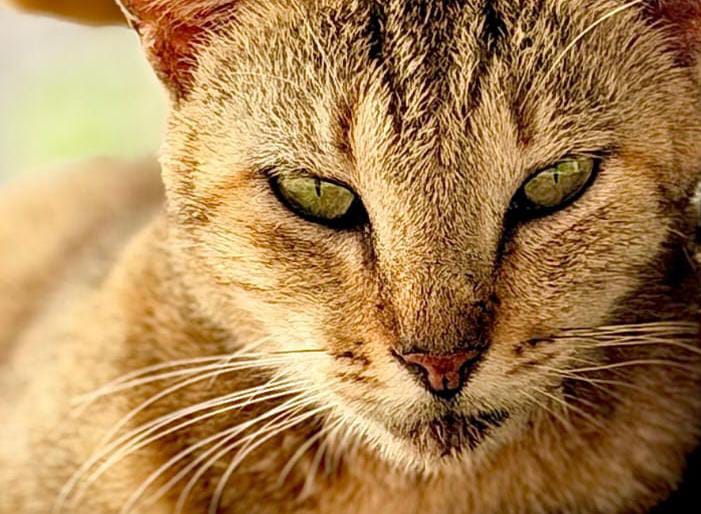
Common Cat Diseases: Signs, Causes, and How to Protect Your Cat
Learn the most common cat illnesses, from viruses and parasites to kidney and urinary problems, with warning signs and prevention tips every owner should know.
Written by K.N.P. PEIRIS
Why Cat Health Needs Extra Attention
Cats instinctively hide pain. By the time a cat looks visibly sick, the problem is often advanced. Knowing the common diseases and their early signs gives you a real head start.
Serious Viral Infections
Feline Leukemia Virus (FeLV)
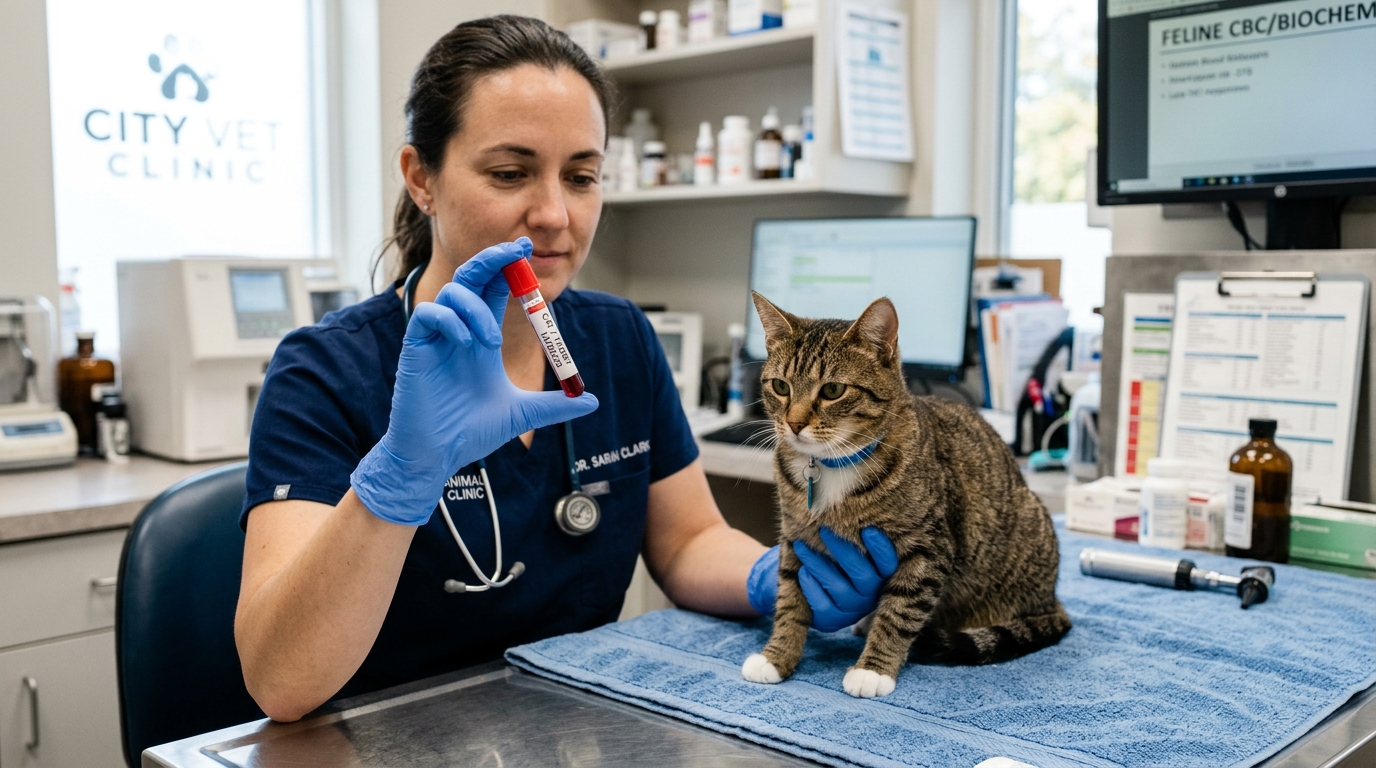
FeLV weakens the immune system and can lead to anemia and certain cancers. It spreads through close contact: shared bowls, mutual grooming, and bites. Watch for ongoing weight loss, recurring fevers, pale gums, and infections that keep coming back. A simple blood test can detect it, and vaccination is recommended for kittens and for adult cats who go outdoors or live with cats of unknown status.
Feline Immunodeficiency Virus (FIV)
FIV spreads mainly through deep bite wounds, which is why unneutered outdoor males are most at risk. Many infected cats look healthy for years. Later signs include gum inflammation, abscesses, and wounds that heal slowly. An FIV-positive cat can still live a long life with indoor living, quality food, and regular checkups.
Feline Panleukopenia (Feline Distemper)
This parvovirus is tough, surviving in the environment for a long time. Kittens are hit hardest, with sudden vomiting, severe diarrhea, dehydration, and lethargy. It can become fatal within days, so call a vet immediately. The FVRCP vaccine is very effective at preventing it.
Cat Flu: Upper Respiratory Infections
Sneezing, watery eyes, and a runny nose are usually caused by feline herpesvirus or calicivirus, sometimes with bacteria like Chlamydia felis joining in.
- Herpesvirus tends to affect the eyes, causing redness, discharge, and sometimes corneal ulcers. Cats stay carriers for life, and stress can trigger flare-ups.
- Calicivirus often causes painful mouth ulcers, drooling, and loss of appetite.
Treatment is mostly supportive: fluids, warm and smelly wet food to tempt a cat with a blocked nose, a humid room, and antibiotics only when a vet confirms a bacterial infection. Antibiotics don't work against viruses.
Common Parasites
Internal
- Roundworms: Very common, often passed from mother to kittens. A pot-belly and poor growth are classic signs.
- Hookworms: Feed on blood and can cause anemia, weakness, and dark, tarry stool.
- Heartworm: Spread by mosquitoes. Even indoor cats can be affected, and the lung damage can cause sudden breathing trouble. Monthly preventives are the safest route.
External
- Fleas: Besides itching and allergic skin disease, fleas carry tapeworm larvae. If you see rice-like segments near your cat's tail, ask your vet about deworming.
- Ear mites: Cause frequent head shaking and dark, crumbly ear debris. Don't self-treat, as other ear problems look similar.
Quick Reference Table
|
Condition |
Cause |
How It Spreads |
Typical Signs |
Prevention |
|
FeLV |
Virus |
Saliva, shared bowls, grooming |
Weight loss, repeated infections |
Testing, vaccination (risk-based), indoor living |
|
FIV |
Virus |
Deep bites |
Gum disease, slow-healing wounds |
Neutering, avoiding fights |
|
Panleukopenia |
Virus |
Feces, contaminated items |
Vomiting, diarrhea, dehydration |
FVRCP vaccine |
|
Cat flu (herpes/calici) |
Virus |
Sneezing, shared surfaces |
Sneezing, eye discharge, mouth ulcers |
FVRCP vaccine, low stress |
|
Toxoplasmosis |
Parasite |
Raw meat, soil, prey |
Often none; fever, eye problems |
Cooked food, indoor living |
|
Ringworm |
Fungus |
Direct contact, spores |
Round bald scaly patches |
Cleaning, isolation, vet treatment |
Age-Related and Organ Problems
Chronic Kidney Disease (CKD)
Very common in senior cats. Early clues are drinking and urinating more than usual, gradual weight loss, and a dull coat. Early detection through blood and urine tests can slow progression through diet and medication.
Feline Lower Urinary Tract Disease (FLUTD)
This covers bladder and urethral problems, including stress-related cystitis and bladder stones. Signs include straining, blood in urine, frequent trips to the litter box, and peeing outside it.
Emergency warning: If a male cat is straining and producing little or no urine, go to a vet immediately. A blocked urethra can be fatal within a day or two.
Simple Ways to Keep Your Cat Healthy
- Keep vaccinations up to date, tailored to your cat's lifestyle.
- Use year-round flea and parasite prevention.
- Spay or neuter your cat to reduce fighting and disease spread.
- Provide fresh water and a clean litter box, and reduce household stress.
- Book yearly checkups, or twice a year for seniors over 7.
- Isolate new or sick cats before introducing them to others.
When to See a Vet
Contact a vet if your cat stops eating for more than a day, vomits repeatedly, has trouble breathing or urinating, or shows sudden behavior changes.
Final Thoughts
Most serious feline illnesses are preventable or manageable when caught early. Learn your cat's normal habits, because noticing small changes is the best protection you can offer.
Community Discussion 0
Leave a Comment
Have questions about symptoms, tests, or your cat's health? Share your comment below.